

Why Brands Choose ODM Faucet Manufacturers for Faster and More Reliable Product Development
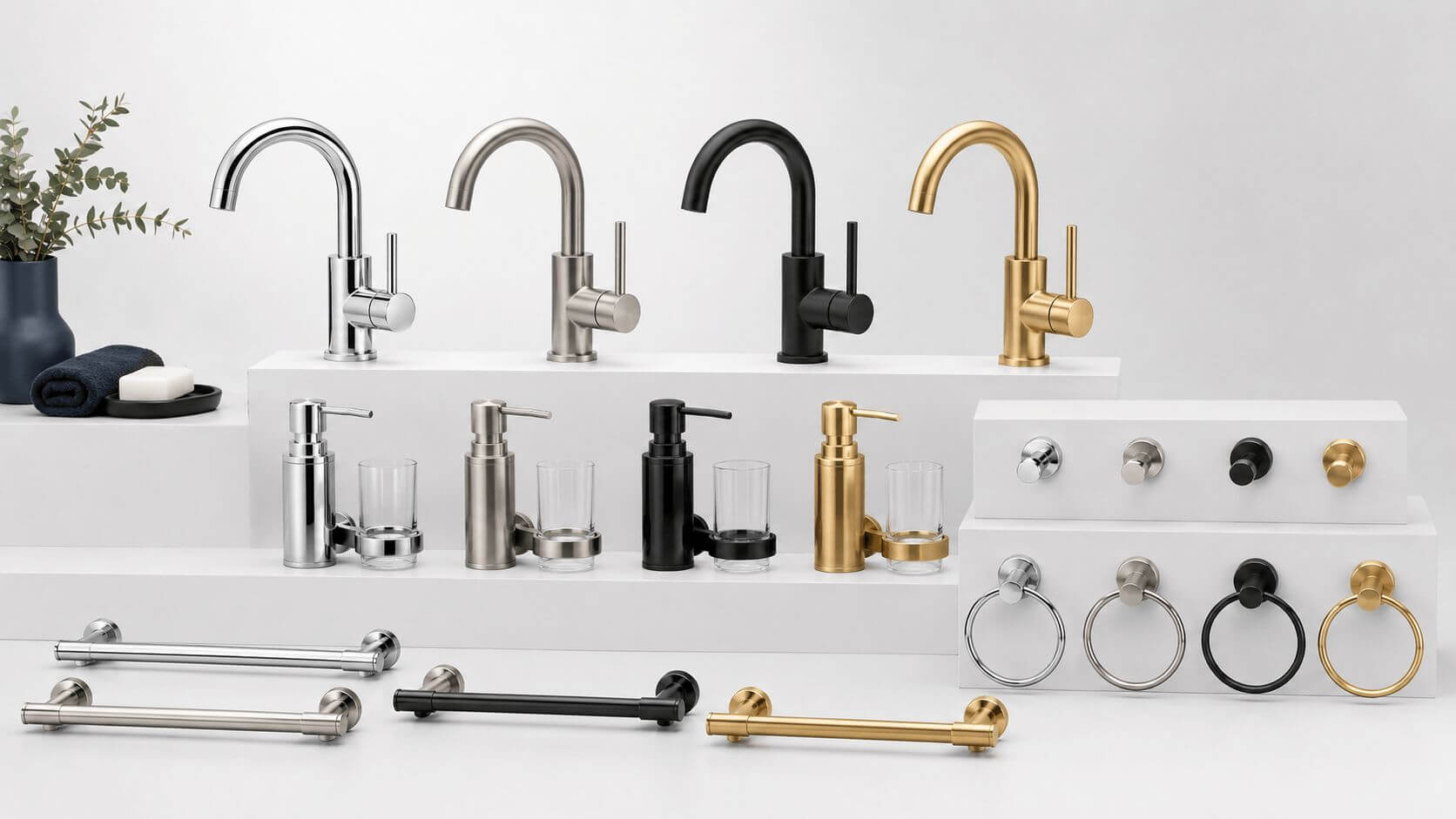
In today’s kitchen, bath, and plumbing industry, launching a successful product requires far more than good design. Brands must balance aesthetics, durability, cost control, engineering feasibility, and increasingly shorter development timelines.
For companies targeting the United States and Canadian markets, expectations are even higher. Faucets and plumbing accessories must meet strict performance standards, long-term durability requirements, and in many cases certification requirements such as cUPC.
This is why more brands are shifting toward ODM faucet manufacturers that can support both product development and scalable mass production within a single, integrated workflow.
As a manufacturer specializing in faucets, plumbing accessories, bathroom accessories, and kitchen hardware, BYSON International provides ODM and OEM development support covering design, engineering, tooling, manufacturing, surface finishing, assembly, and quality control.
Why Faucet and Plumbing Products Require More Than Standard Manufacturing
Faucets and plumbing accessories may look simple from the outside, but the internal structure and performance requirements are highly technical. Unlike general consumer products, they must operate reliably under continuous water pressure and long-term usage conditions.
A successful product must carefully balance appearance, mechanical structure, and material performance. Even small issues in design or manufacturing can lead to leakage, corrosion, or inconsistent product lifespan.
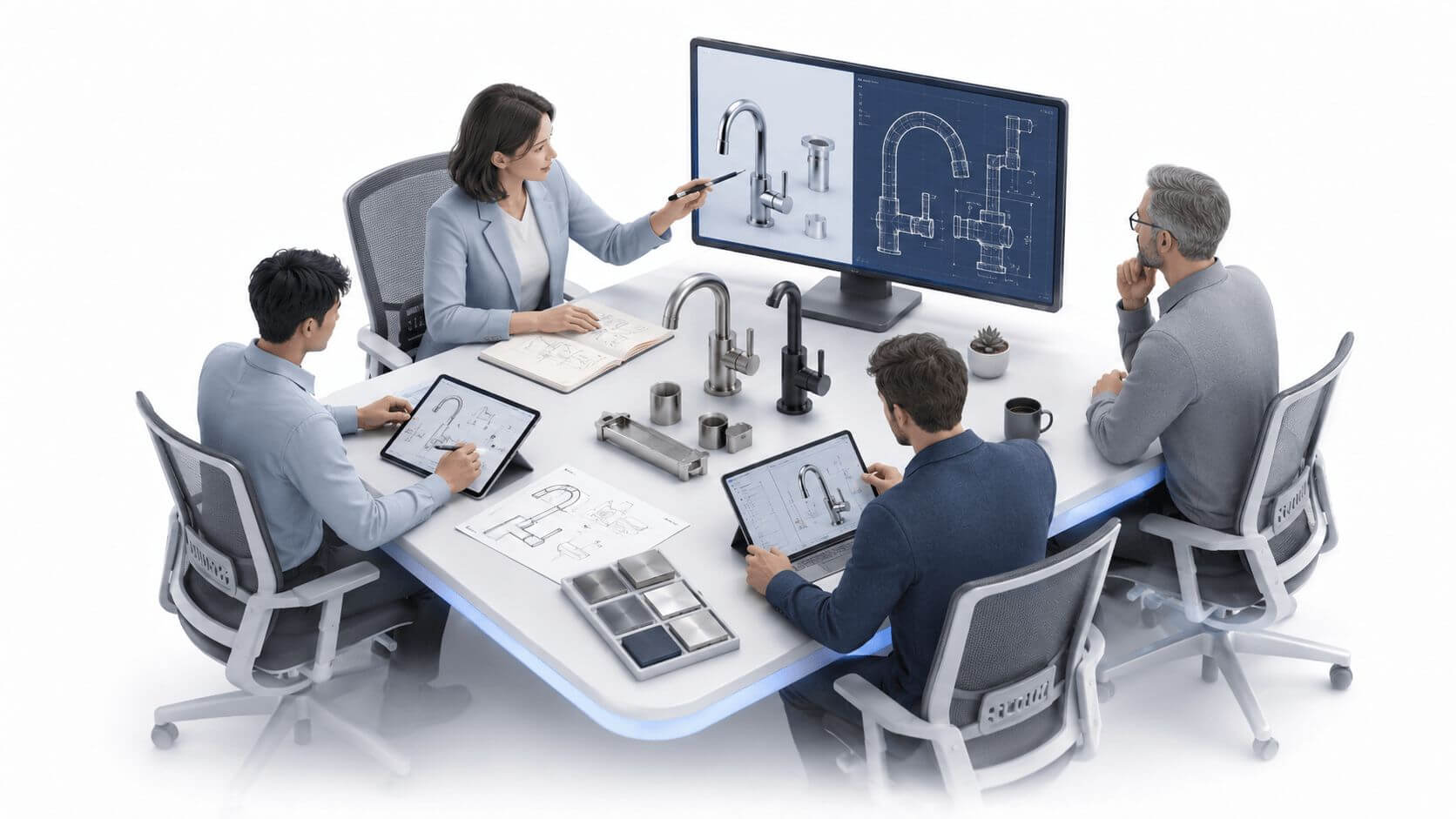
This is why product development in this category requires close coordination between engineering and manufacturing from the earliest stage.
Instead of treating design and production as separate steps, ODM connects them into a single development process where manufacturability is considered alongside aesthetics and function.
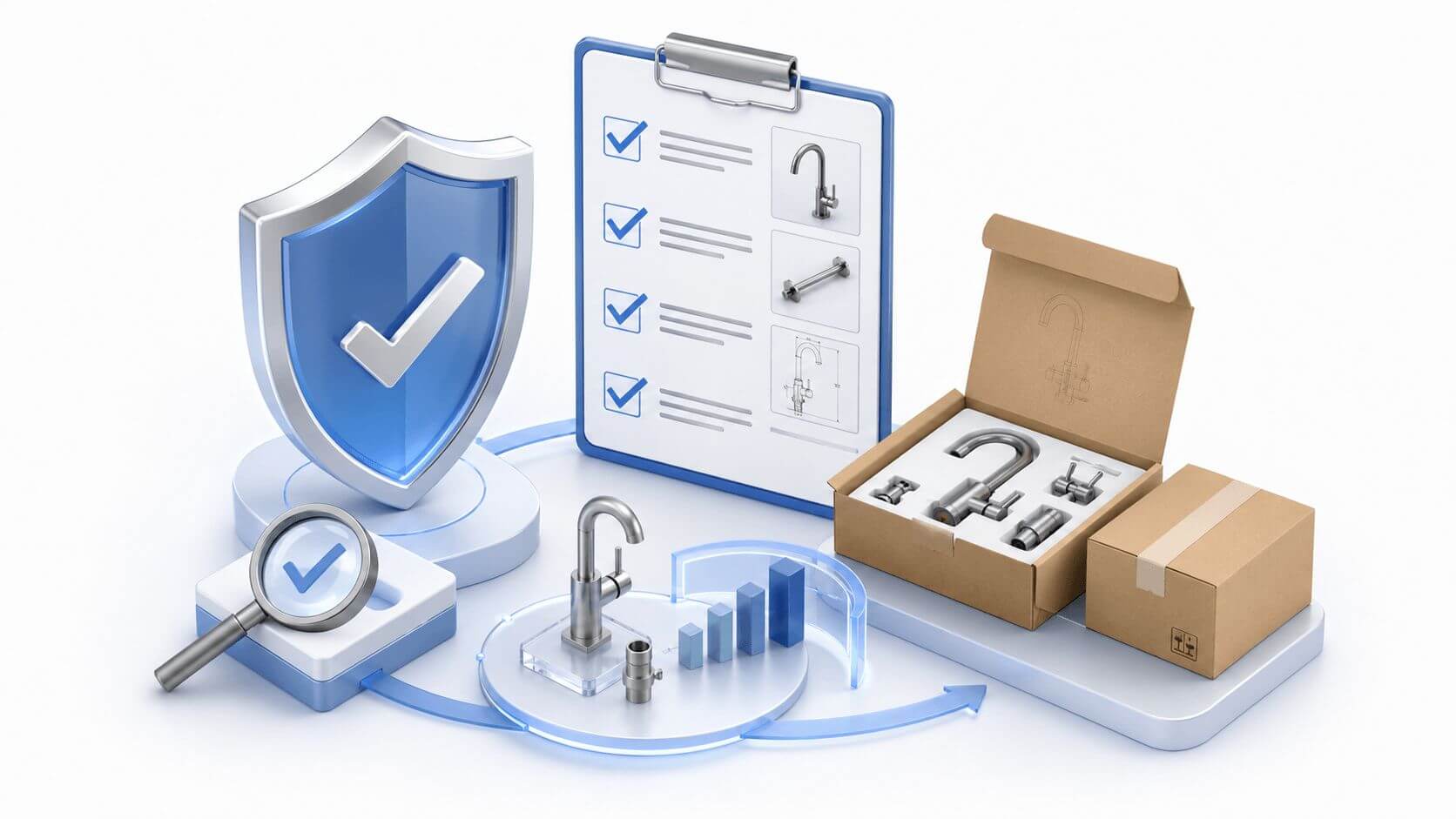
Faster Development Through a More Integrated Workflow
One of the most common challenges in traditional product development is fragmentation. Different suppliers handle design, tooling, machining, plating, assembly, and inspection separately. While this structure is common, it often creates delays and communication gaps.
In practice, brands may face repeated sample revisions, inconsistent interpretations of drawings, or unexpected tooling adjustments that extend the overall timeline.
ODM reduces this complexity by integrating development stages into a more coordinated structure, allowing design and engineering decisions to align earlier with manufacturing requirements.
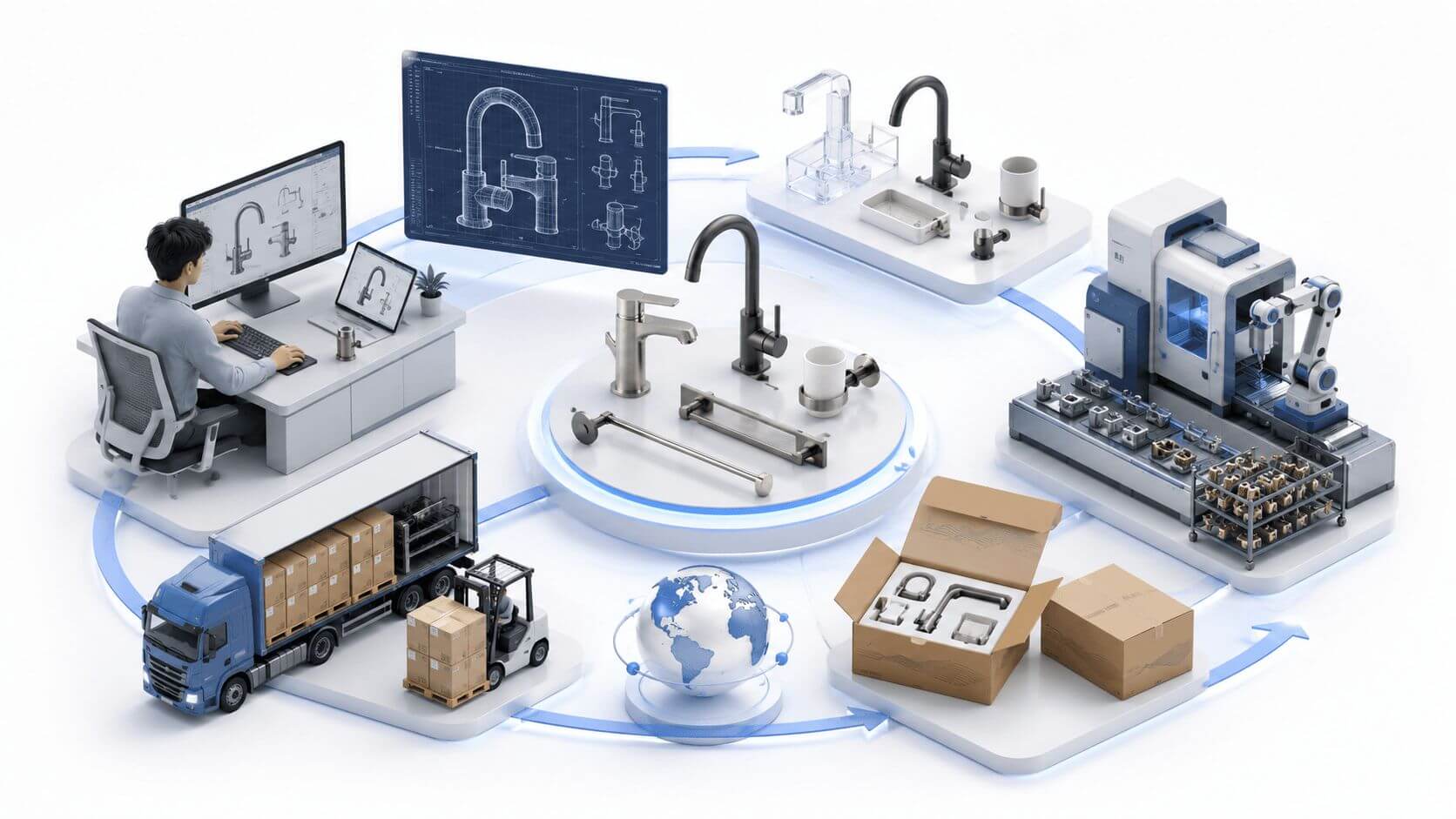
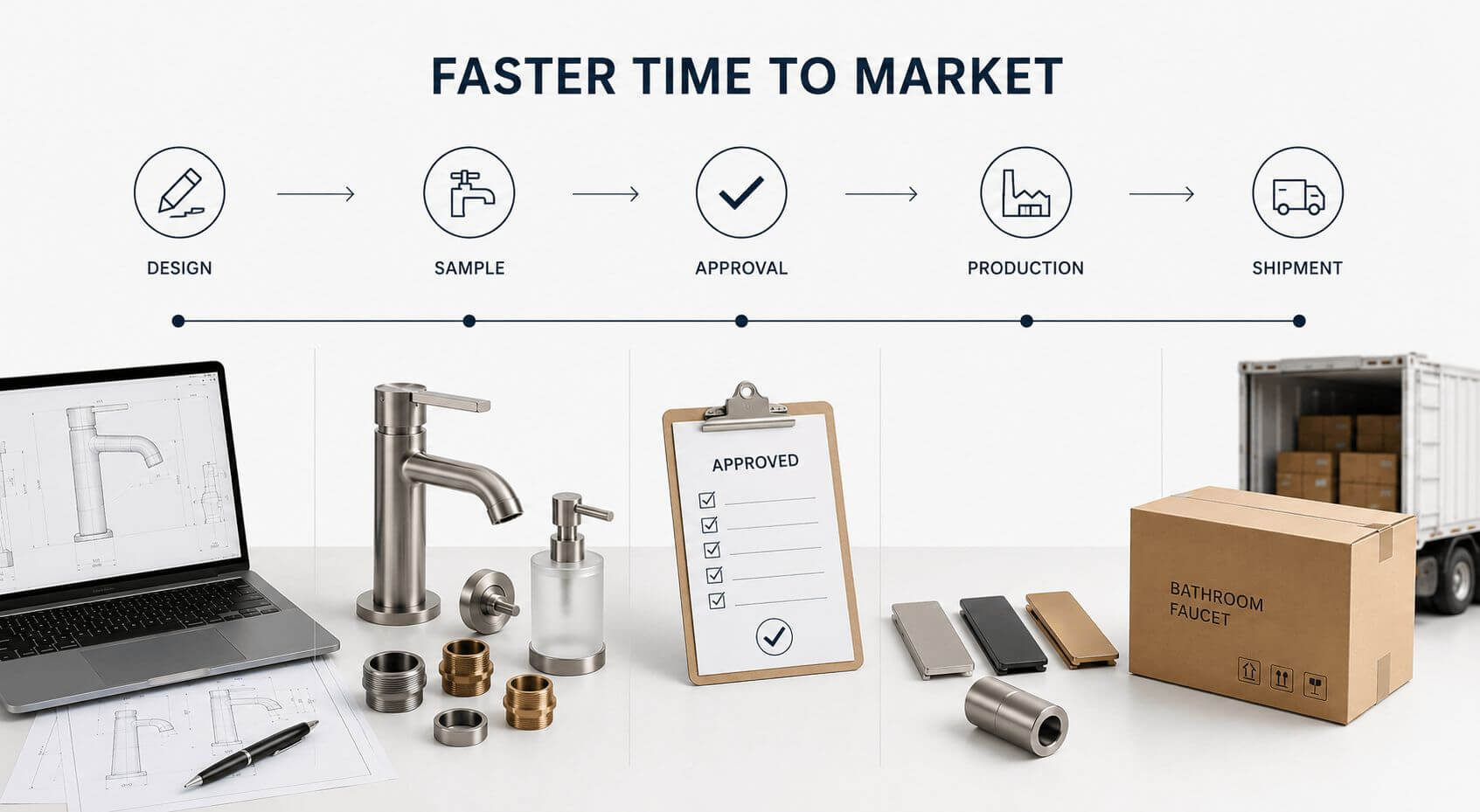
Instead of multiple disconnected handovers, the development flow becomes more streamlined:
Concept development → Engineering design → 3D modeling → Prototype → Tooling → Surface finishing → Assembly → Quality inspection
This structure helps reduce delays while ensuring that product design decisions are grounded in manufacturing reality from the beginning.
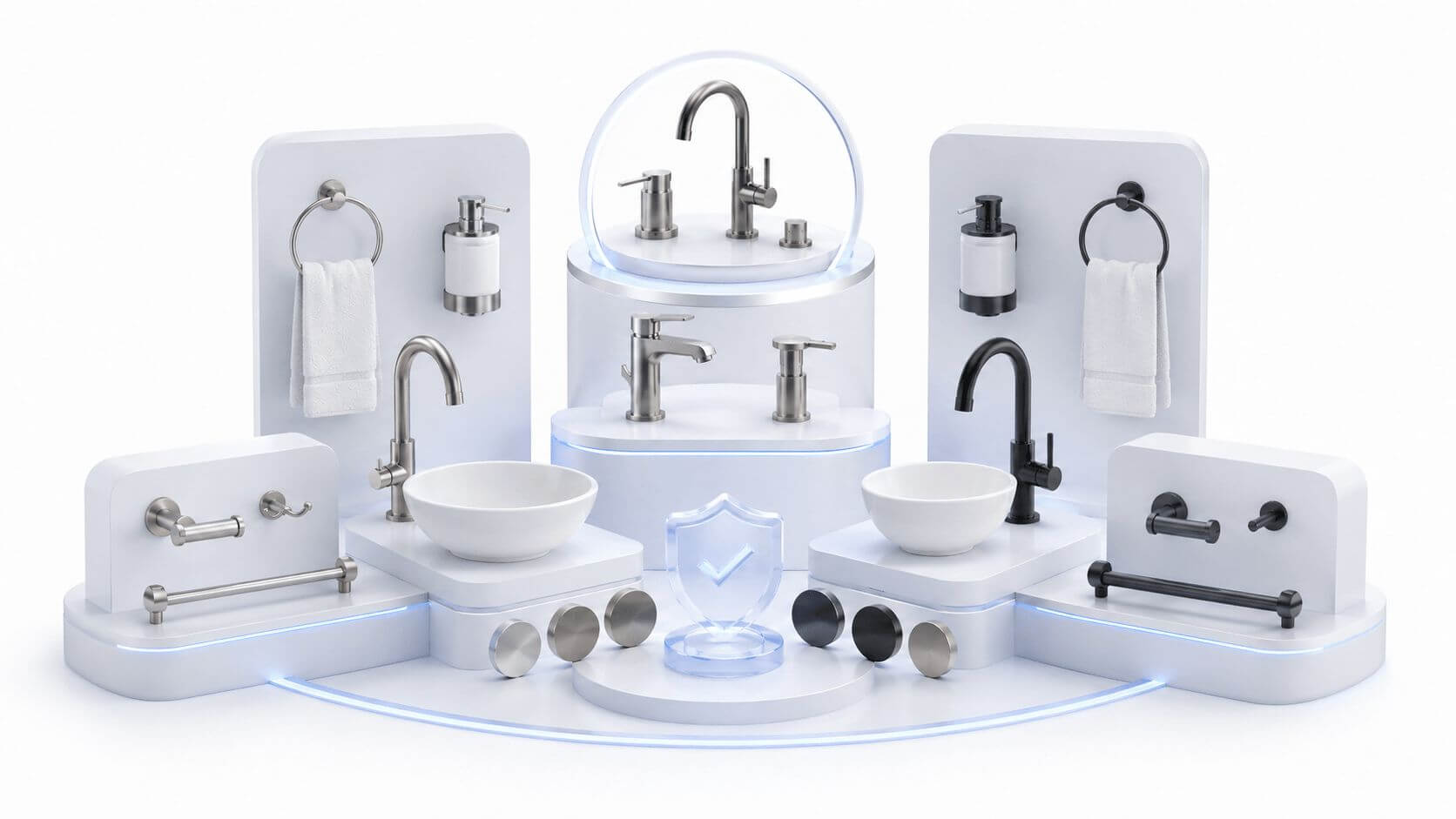

Why Early Engineering Decisions Reduce Manufacturing Risk
In faucet and plumbing manufacturing, most production problems do not appear during design — they appear during tooling or mass production.
Once production starts, issues such as leakage, surface defects, or assembly instability become significantly more expensive to fix.
This is why early engineering involvement is critical in ODM development. Before mass production begins, key technical factors can already be validated, including structural feasibility, material compatibility, and production efficiency.
When these elements are addressed early, brands can significantly reduce risk later in the production cycle.
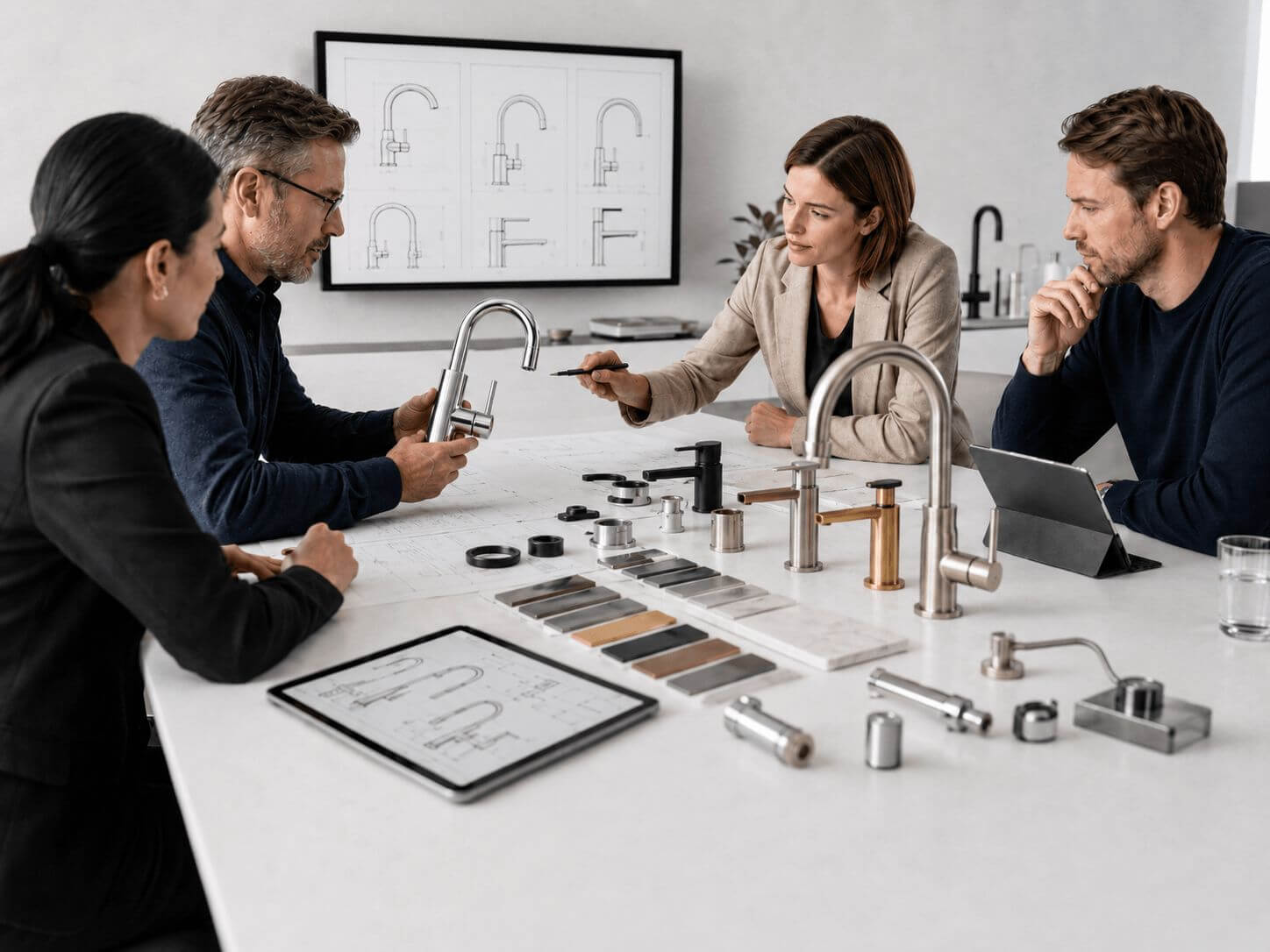
Typical Manufacturing Risks ODM Helps Prevent
In real production environments, several common issues often affect faucets and plumbing accessories when development is not properly integrated:
- Dimensional instability during mass production
- Electroplating quality inconsistency
- Leakage or sealing performance issues
- Difficult or inefficient assembly design
- High rejection rates after tooling
These problems are usually not caused by a single factor, but by misalignment between design intent and manufacturing execution.
ODM helps reduce these risks by aligning engineering, tooling, and production planning before mass production begins, ensuring that product design is realistic and scalable.
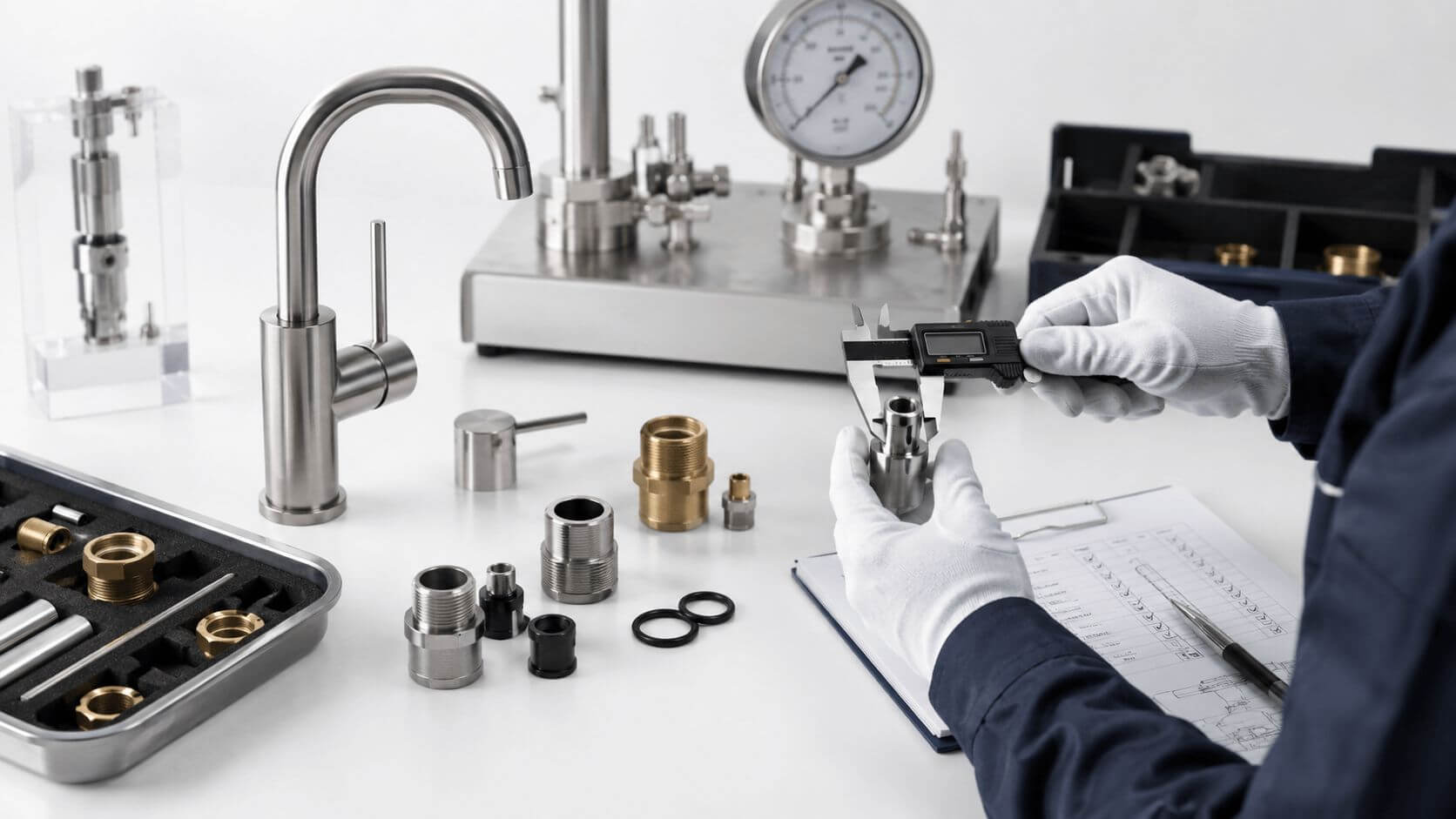
Why Product Consistency Is Critical in Kitchen and Bath Products
In the kitchen and bath industry, consistency directly affects brand perception. Products are often installed as part of a coordinated space, meaning even small variations can impact the overall visual and functional experience.
A faucet series, for example, is expected to maintain consistent surface finish, color tone, and installation feel across different production batches.
When inconsistency occurs, customers often perceive it as a quality issue — even if the product is technically functional.
To maintain consistency, ODM processes typically standardize:
- Engineering drawings and tolerances
- Material specifications
- Surface finishing requirements
- Assembly procedures
- Inspection standards
This structured approach ensures that every batch reflects the same product identity and quality level.
From Product Concept to Mass Production with BYSON
A strong ODM partner does more than manufacture parts. The real value lies in how efficiently the entire development process is connected from concept to final production.
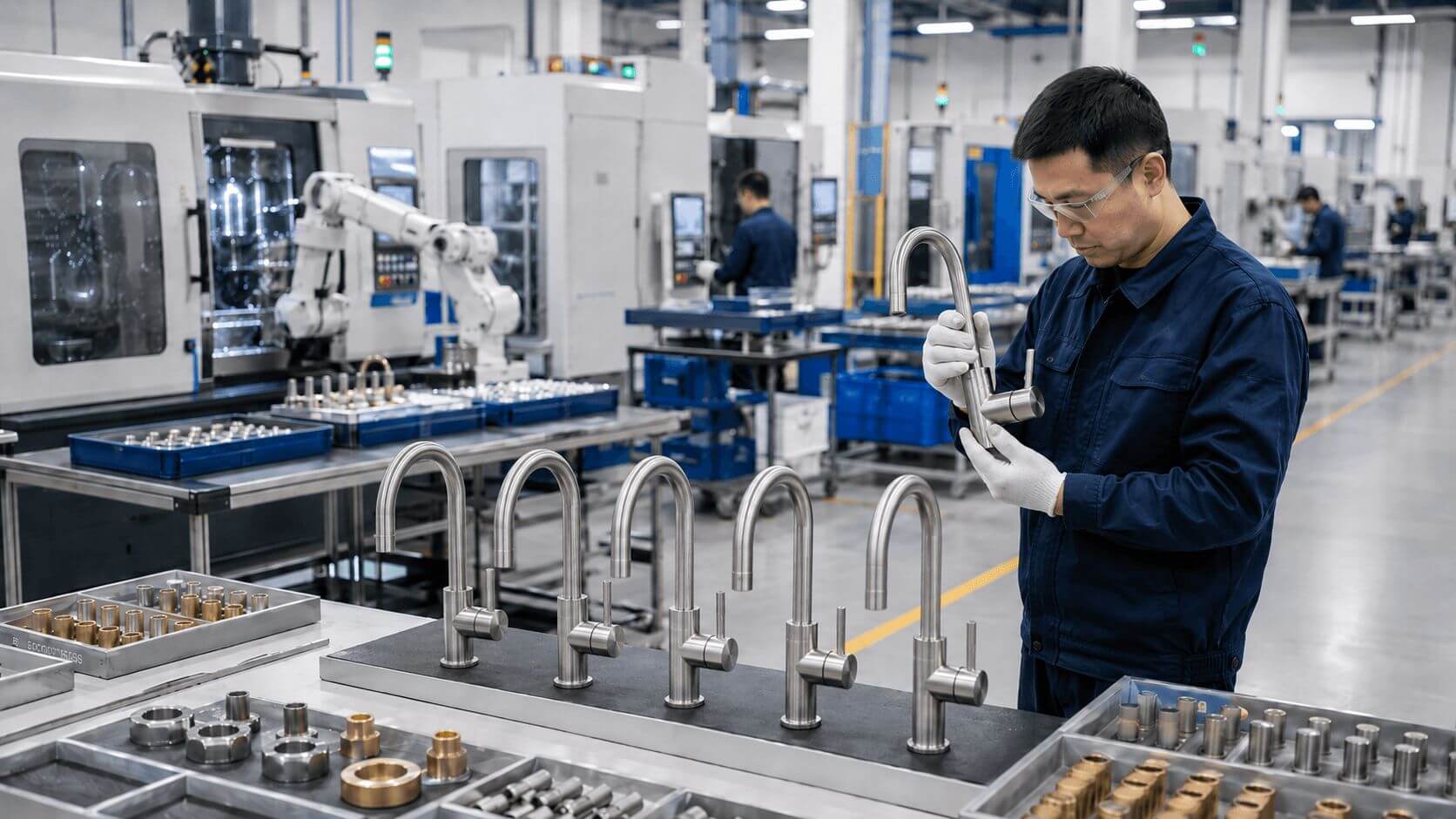
At BYSON International, ODM support covers the full product lifecycle, including design assistance, engineering development, tooling coordination, production planning, surface finishing, assembly, and quality inspection.
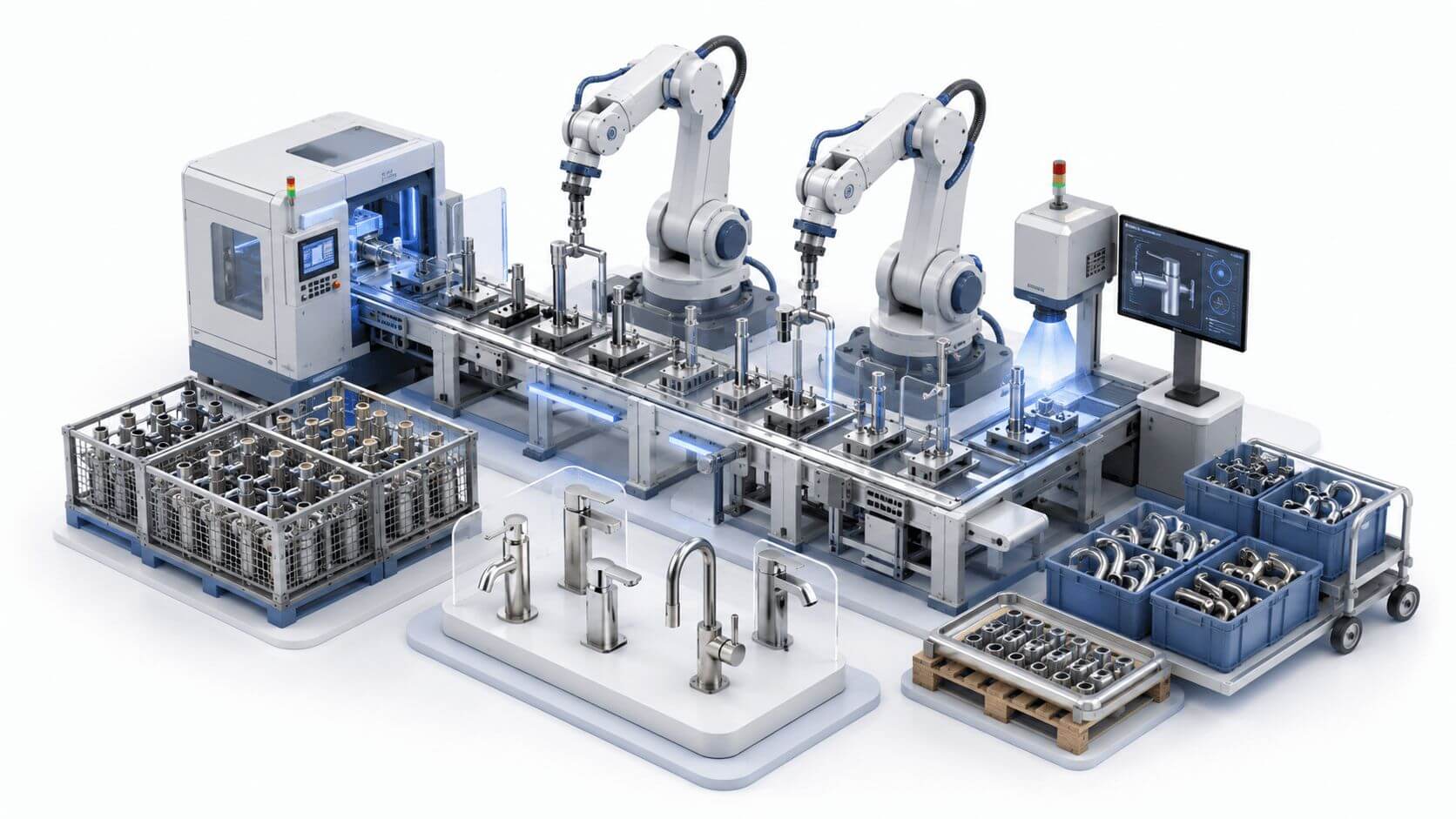
BYSON integrates multiple manufacturing processes within its production system, including die casting, forging, stamping, CNC machining, automated polishing, plastic injection molding, electroplating, coating, and final assembly. Materials such as brass, stainless steel, zinc alloy, aluminum, ceramic, and plastic are supported depending on product requirements.
Instead of managing multiple fragmented suppliers, brands can work within a more unified production environment that improves stability, reduces communication gaps, and supports scalable manufacturing.
For products targeting the U.S. and Canadian markets, BYSON also aligns with cUPC-related requirements and ISO9001 quality systems to support consistent production standards.
View Our Manufacturing Capabilities
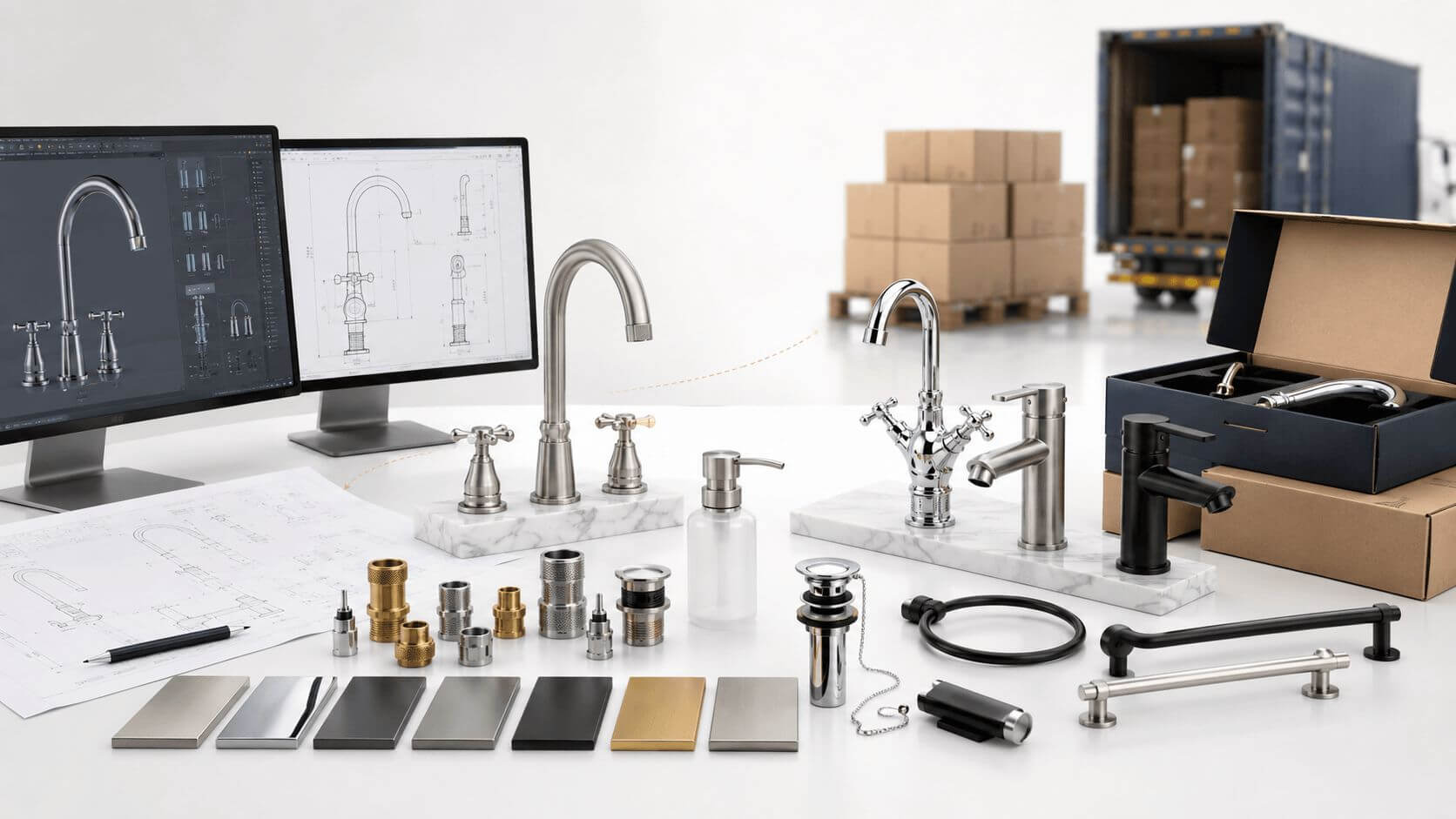
Building More Competitive Kitchen and Bath Product Lines
As competition in the kitchen and bath industry continues to intensify, brands are expected to launch new products faster while maintaining high levels of consistency and reliability.
ODM collaboration provides a practical way to achieve this balance by connecting engineering, manufacturing, and quality control within a single development system.
Instead of focusing on operational complexity, brands can dedicate more resources to product strategy, market positioning, and distribution development, while relying on an experienced manufacturing partner for execution.
With integrated ODM capabilities, BYSON International supports brands in developing faucets, plumbing accessories, bathroom accessories, and kitchen hardware products with greater efficiency, stability, and production confidence. Contact BYSON to discuss your next product development project. From design and engineering to manufacturing and quality control, we help brands bring competitive products to market with confidence.