
The Hidden Quality of Bathroom Hardware: How Internal Structure and Materials Influence Long-Term Durability
In modern bathroom spaces, appearance is often what captures attention first.
Finishes, textures, and architectural forms now play an increasingly important role in shaping the overall design experience.
However, for brands, designers, project buyers, and OEM partners, true product quality is defined by far more than visual appearance alone. Long-term durability is often determined by the details consumers never see — from material selection and internal engineering to manufacturing precision and structural stability.
Especially in high-humidity and high-frequency usage environments, long-term product performance is determined long before installation. Bathroom hardware is not simply about exterior appearance — it is about engineering stability, corrosion resistance, and long-term reliability.
Material Selection as the Foundation of Durability
Bathroom hardware operates in environments exposed to moisture, cleaning chemicals, temperature fluctuations, and continuous daily usage. Over time, insufficient materials or unstable structures may gradually lead to surface corrosion, leakage, pressure inconsistency, finish deterioration, and component failure.
As a result, material stability plays a critical role in determining long-term durability and maintenance performance.
Brass: Stability Through Precision Engineering
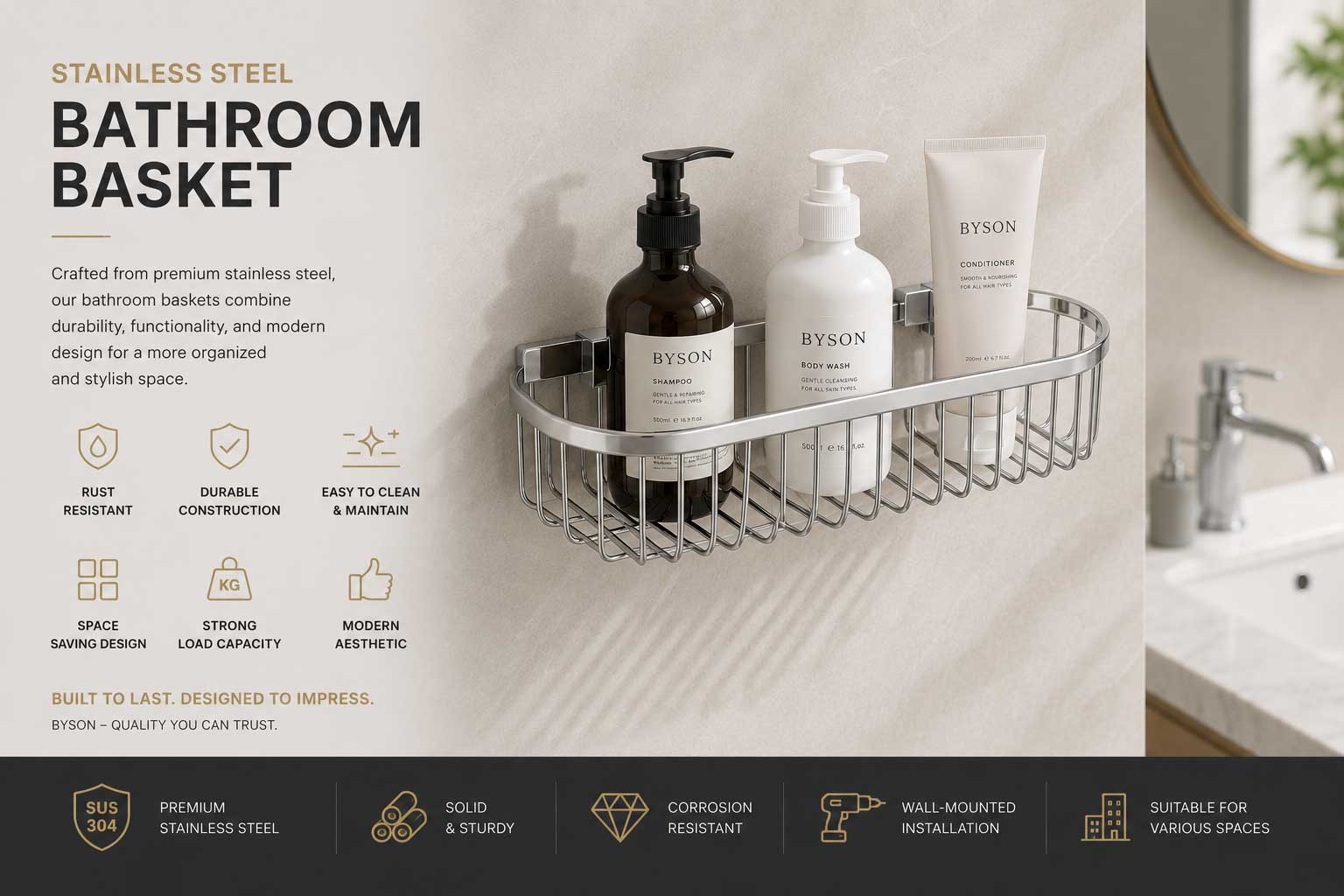
Brass continues to serve as a core material in premium faucets and water-control applications due to its balance of corrosion resistance, structural stability, and machining precision.
Stable brass structures also help maintain sealing reliability under continuous pressure and long-term operation, reducing the risk of leakage and structural fatigue over time.
Its material characteristics support:
- Reliable pressure resistance
- Precise internal machining
- Complex structural integration
- Long-term durability
- Reduced risk of brittleness over time
Especially in high-pressure and high-frequency usage environments, stable metal structures help reduce leakage risk and structural fatigue.
Material consistency and machining precision remain essential throughout the product development process to ensure reliable long-term performance.
Naturally Antimicrobial Properties of Brass
In addition to its corrosion resistance and structural stability, brass also offers naturally antimicrobial properties — a material characteristic not commonly found in other materials.
Brass is a naturally antimicrobial material. Brass-based materials have long been recognized for their ability to help reduce the growth of certain bacteria and microorganisms on frequently touched surfaces. Widely used in water storage and hygiene-related applications, brass has long been valued for its combination of durability, reliability, and hygienic benefits.
In bathroom and water-control applications, where products are regularly exposed to moisture and daily contact, these characteristics contribute to improved hygiene performance and long-term surface cleanliness.
Combined with its durability, machinability, pressure resistance, and naturally antimicrobial performance, brass remains a highly reliable material choice for premium bathroom hardware and plumbing components.
Stainless Steel for Modern Durability Requirements
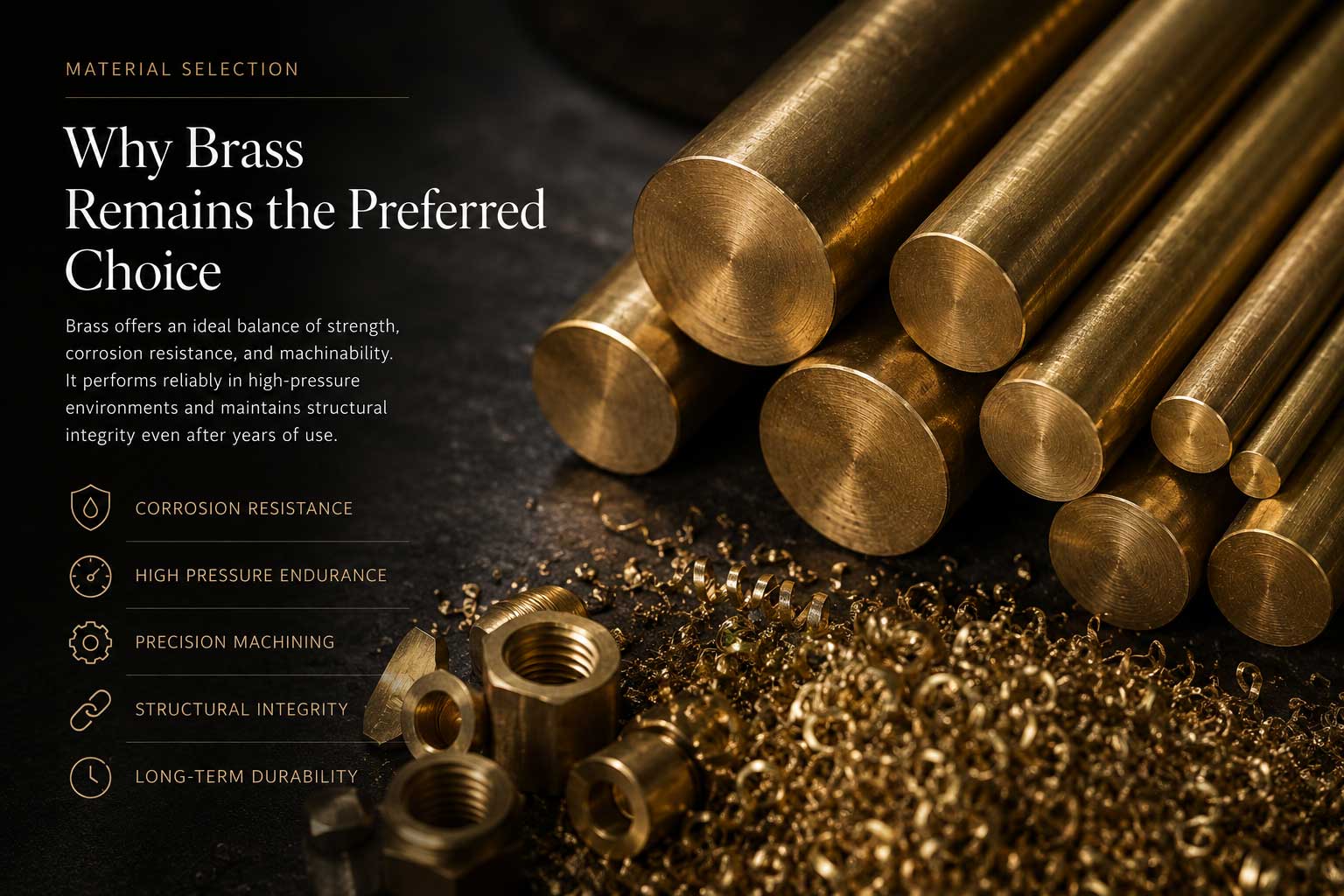
As modern markets place greater emphasis on corrosion resistance and minimalist aesthetics, stainless steel has become increasingly important across residential and commercial applications.
In hospitality environments, commercial projects, coastal regions, and other high-humidity spaces, stainless steel offers excellent oxidation resistance, moisture stability, and ease of maintenance, making it particularly suitable for environments where long-term surface stability is essential.
Because different stainless-steel grades vary in corrosion resistance and manufacturability, material selection must align closely with actual application requirements and long-term durability expectations.
Surface Finishing Beyond AppearanceSurface Finishing Beyond Appearance
Surface finishing serves a far more important role than appearance alone.
In premium bathroom hardware, finishing technologies help protect the base material while preserving long-term visual and structural integrity.
High-quality surface treatments contribute to corrosion resistance, wear resistance, ease of maintenance, surface stability, and long-term appearance consistency.
Common bathroom hardware finishes include polished chrome, brushed satin nickel, polished nickel, matte black, oil-rubbed bronze, PVD finishes, and specialty surface treatments designed for different architectural and interior styles.
In OEM and customization projects, finish consistency across different materials and components has become increasingly important for maintaining overall design harmony.
Internal Engineering Defines Long-Term Stability
Beyond materials and exterior finishes, internal engineering is what ultimately determines long-term product stability.
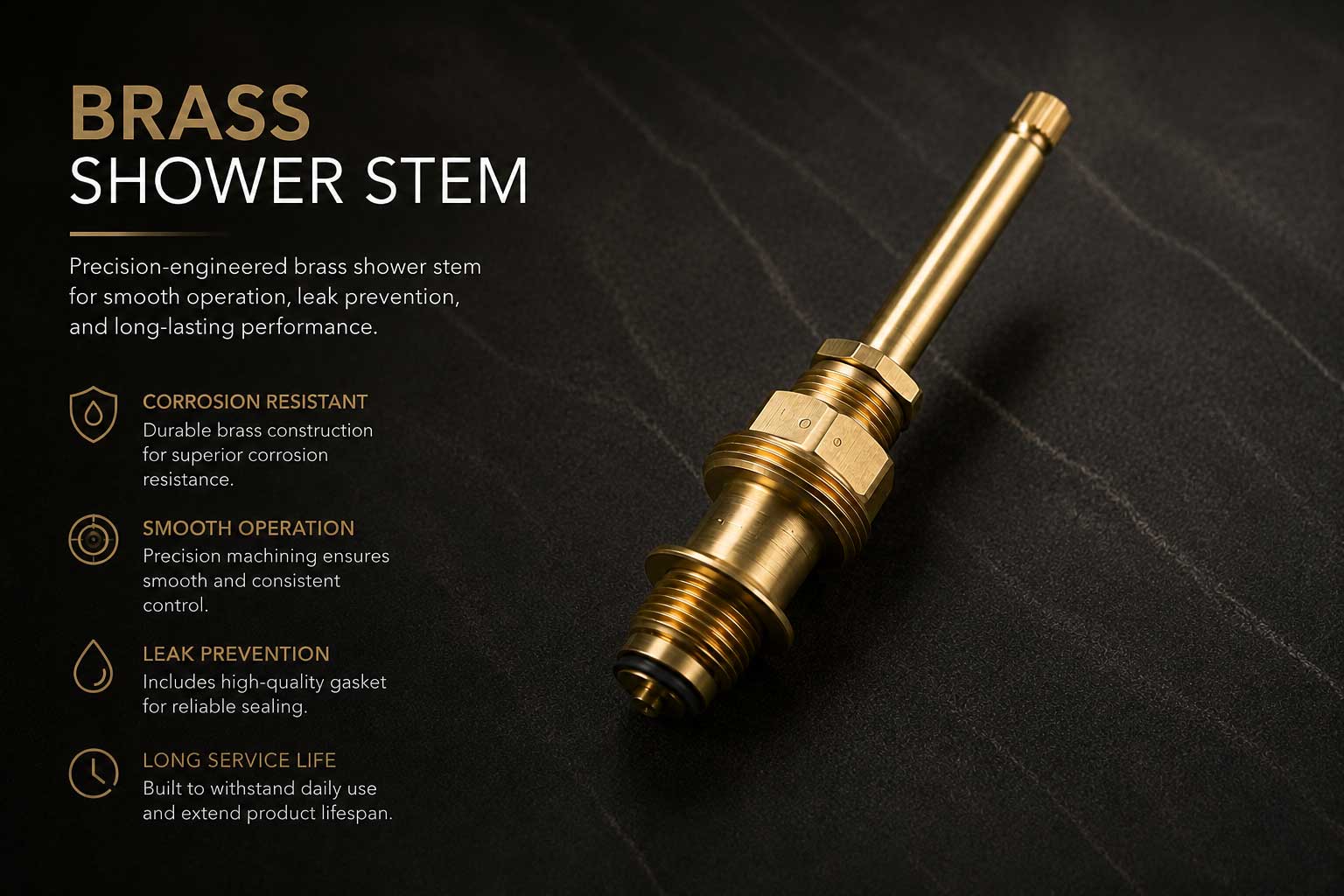
Critical considerations include water flow channel design, cartridge structure, sealing systems, pressure balancing, assembly precision, and tolerance control.
Even visually refined products may eventually experience leakage, inconsistent pressure, operational instability, or noise if internal structures are not carefully engineered.
Especially in hospitality and commercial environments with high usage frequency, internal durability becomes essential for reducing maintenance risks and ensuring long-term reliability. Structural stability, pressure resistance, and manufacturing consistency remain important priorities throughout the product development process.
Long-Term Reliability Must Be Proven Over Time
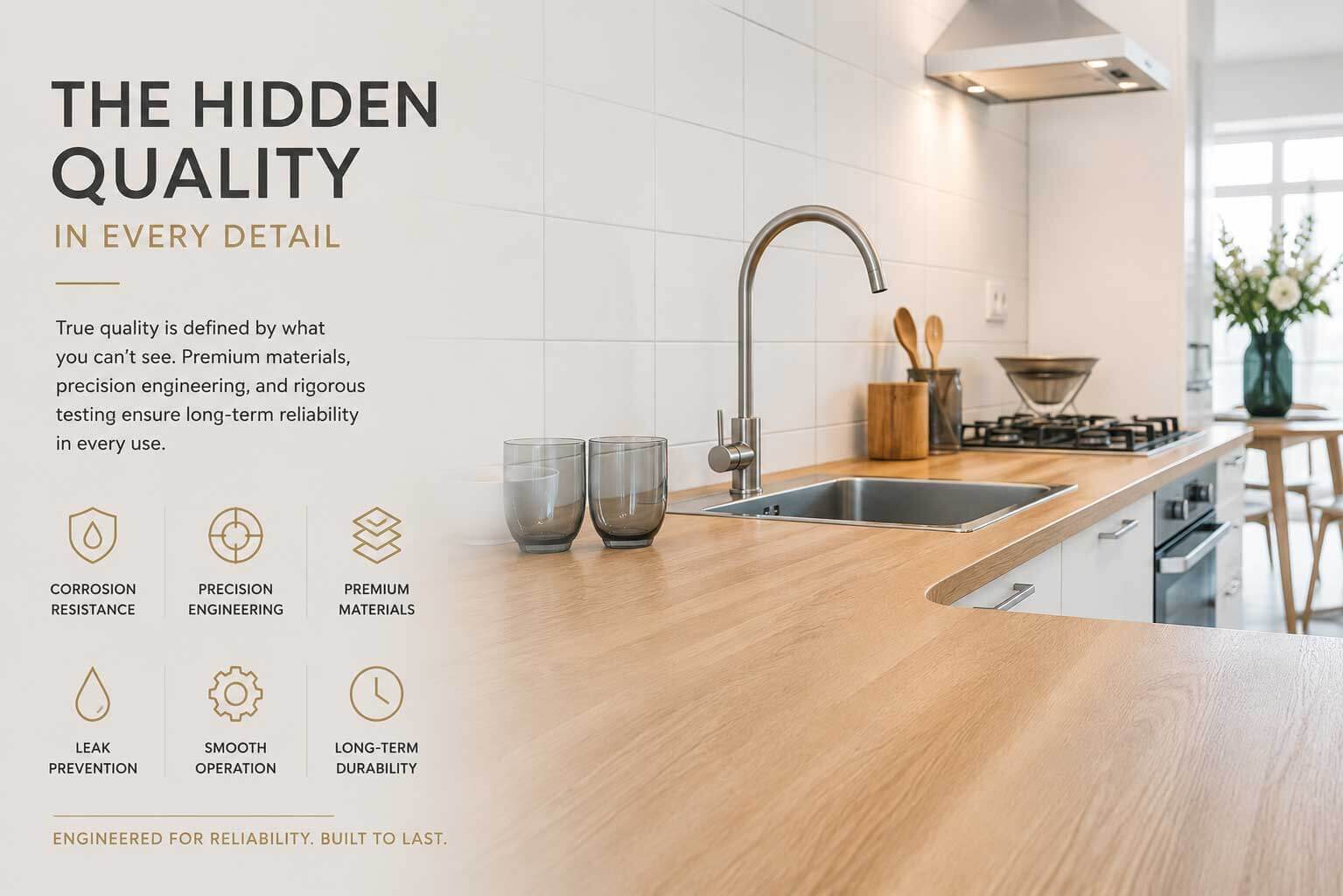
True quality is not simply about passing inspection before shipment. It is about maintaining stable performance and consistency after years of real-world use.
For this reason, premium bathroom hardware typically undergoes continuous durability and reliability validation throughout the development and manufacturing process. By simulating humid environments, temperature fluctuations, and long-term daily usage conditions, manufacturers can better evaluate structural stability, surface performance, and operational reliability.
Byson’s approach to bathroom hardware development is built on the integration of material selection, structural engineering, precision manufacturing, and consistent quality control. From brass water-control components to stainless steel bathroom accessories and surface finishing applications, long-term performance depends on more than appearance alone. It requires careful attention to sealing reliability, pressure resistance, corrosion resistance, dimensional accuracy, and production consistency. This is especially important for OEM, ODM, and project-based applications where durability, maintenance efficiency, and long-term stability directly affect product value.
Ultimately, many of the most important differences in product quality are found in the details consumers never see.
The Market Is Shifting Toward Long-Term Value
As the market continues to evolve, both consumers and brands are placing greater emphasis on long-term product value rather than appearance alone.
Increasingly, purchasing decisions are influenced by factors such as:
- Product lifespan
- Maintenance frequency
- Performance stability
- Ease of maintenance
- Long-term ownership cost
Especially in hospitality, residential, and commercial projects, large-scale maintenance issues can result in costs that far exceed the initial purchasing difference.
As a result, truly competitive bathroom hardware is defined not only by refined design, but by its ability to maintain consistent reliability and durability over years of daily use. And In many cases, those differences are found in the details that remain unseen beneath the surface.
For product inquiries or design-related discussions, please feel free to contact us for further assistance.